By the TyreAid UK team · Updated 1 November 2026
The short answer
Many punctures from a nail or screw can be safely repaired, which costs much less than a new tyre. Whether yours can depends on where the hole is, how big it is and whether the tyre was driven on while flat.
A repair is usually possible when
- The hole is in the central part of the tread, roughly the middle three-quarters of the tyre's width.
- The hole is small: on a car tyre, up to 6 mm across, like a nail or screw.
- The tyre wasn't driven on while flat, so the inside isn't damaged.
- The tyre has enough tread left (above the 1.6 mm legal minimum, and ideally well above it).
- The tyre hasn't already had a repair close to this one.
You'll need a new tyre when
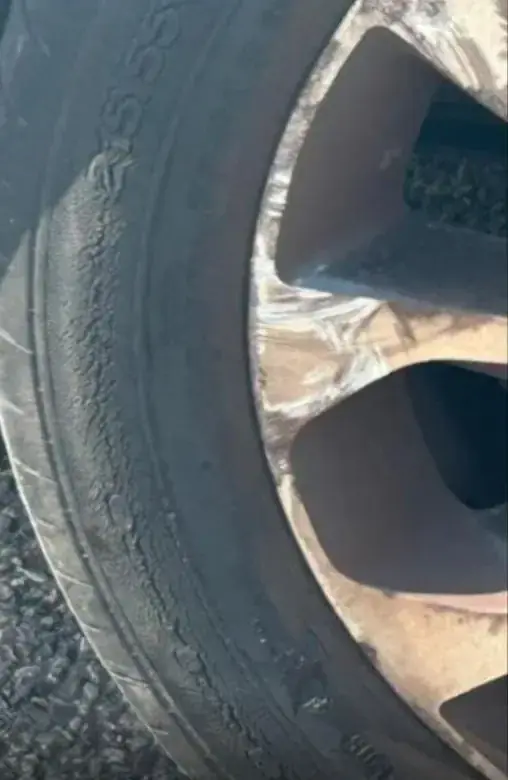
- The damage is in the sidewall or the shoulder (the edge of the tread).
- The hole is too big, or it's a cut or a tear rather than a puncture.
- The tyre has been driven on flat and the inside is worn or shredded.
- There's a bulge or bubble in the sidewall.
- The tread is at or near the legal limit.
How a proper repair is done
A safe repair follows British Standard BS AU 159. The tyre must come off the wheel so the inside can be checked, then a combined plug and patch seals the hole from the inside. A plug pushed in from the outside, or sealant from a repair kit, is only a temporary fix.
What about run-flats?
Some run-flat tyres can be repaired, but many makers say they shouldn't be once they've been driven on without air. We check the tyre and the maker's guidance before deciding.
Let us check it for you
You don't need to work it out yourself. Send us a photo of the tyre on WhatsApp at 0330 043 6598. We'll tell you if it looks repairable, then come to you and repair it or fit a new tyre on the spot.