By the TyreAid UK team · Updated 1 November 2026
What the light means
The tyre pressure light (a horseshoe shape with an exclamation mark) comes on when the tyre pressure monitoring system, or TPMS, thinks one or more tyres has lost pressure. It can mean a puncture, a slow leak, cold weather or a faulty sensor.
What to do straight away
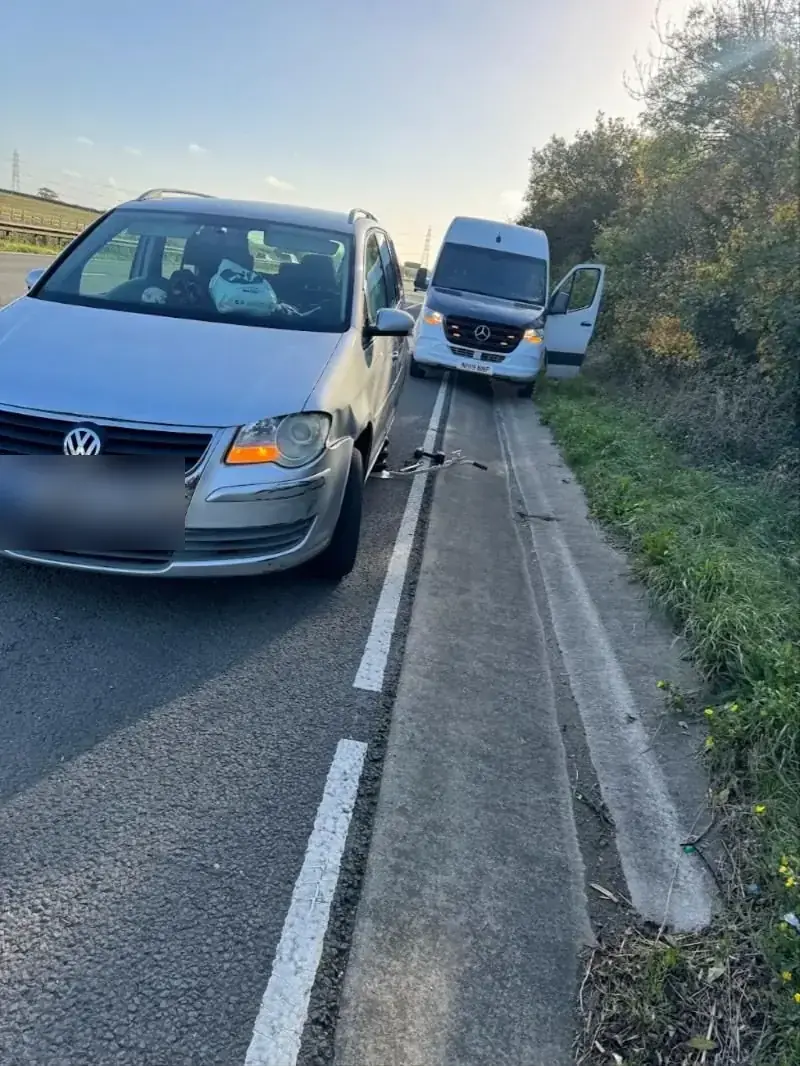
- If the light comes on suddenly while you're driving, slow down gently and stop somewhere safe.
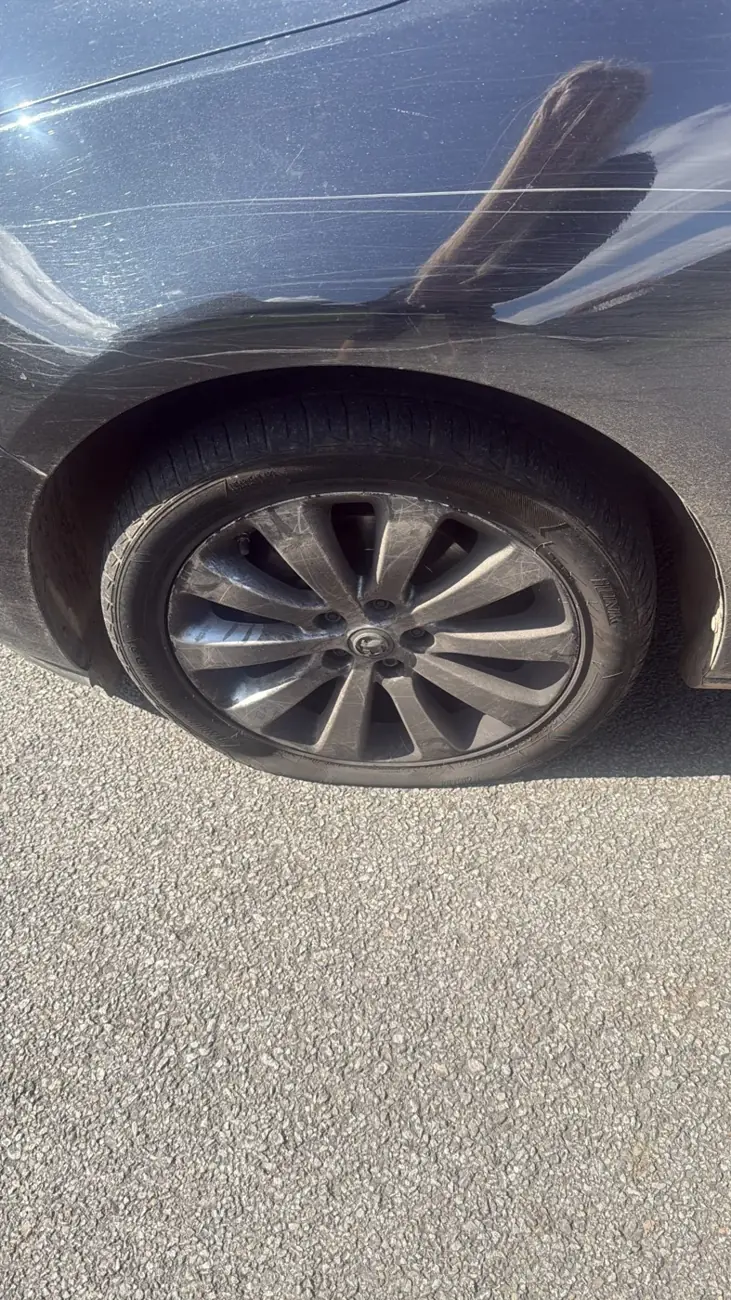
- Walk round the car and look at each tyre. Check for a tyre that looks low, a nail or screw, or damage to the sidewall.
- If a tyre is clearly flat or damaged, don't drive on it. Call or WhatsApp us on 0330 043 6598 and we'll come to you.
- If all the tyres look fine, check the pressures at the next garage with an air line, using the pressures on the sticker in the door frame or fuel flap.
Steady light or flashing light?
- Steady light: usually low pressure in one or more tyres. Check and inflate them, then watch whether it comes back.
- Flashing, then steady: on many cars this means a fault with the TPMS system itself, often a sensor with a flat battery. Check your handbook, because cars differ.
The light keeps coming back
If you inflate a tyre and the light comes back within a day or two, the tyre is probably losing air through a slow puncture, a leaking valve or a damaged rim. Have it checked before it goes flat on the road. See mobile puncture repair.
Cold weather
Air pressure drops in cold weather, so the light often comes on the first frosty morning of winter. Check and top up the pressures. If the light goes off and stays off, there's nothing more to do.
Faulty TPMS sensors
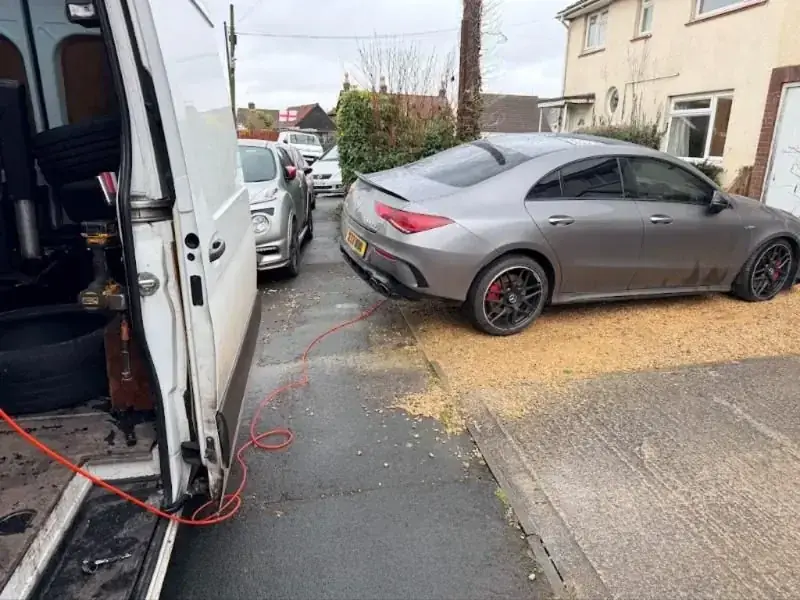
Each sensor has a battery that lasts several years and can't be replaced on its own. A failed sensor keeps the light on even when the pressures are right. We replace and program TPMS sensors at your home or work. See mobile TPMS sensor replacement.
Is it an MOT problem?
On cars first used from 1 January 2012, a TPMS warning light that stays on, or a system that isn't working, is an MOT failure. It's worth fixing before your test.